
Custom Home Building vs. Traditional Construction: Key Differences
Custom Home Building vs. Traditional Construction: Which Is Right for You?
Choosing how to build your next home is one of the biggest decisions you’ll make in the process — and it starts long before the first shovel hits the ground. Prospective homeowners generally weigh three paths: buying a production (spec) home already planned by a builder, hiring a traditional general contractor to build from a stock plan, or partnering with a custom home builder to design a home built specifically around their land, lifestyle, and budget. Each path has real trade-offs in cost, timeline, and control. This guide breaks down custom home building vs. traditional construction so you can decide with confidence.
What Is Custom Home Building?
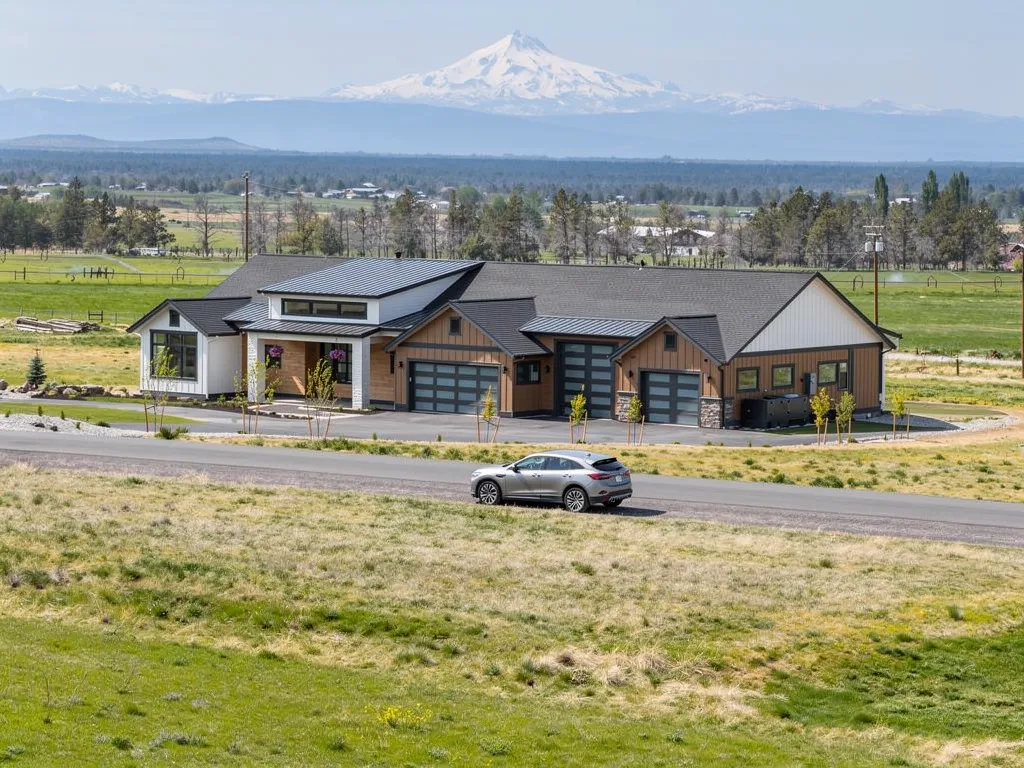
Custom home building means designing and constructing a home from the ground up around your specific vision, your lot, and how you actually want to live. A custom home builder works with you from initial concept through final walkthrough, tailoring the floor plan, materials, and finishes to your preferences rather than fitting you into a pre-existing design. This approach is especially well suited to unique or challenging lots — sloped sites, view lots, or acreage — where a one-size-fits-all plan simply won’t work.
Because every decision is made with your household in mind, custom home building gives you the most control over layout, room sizes, energy efficiency, and finish selections. It typically involves closer collaboration with an architect or in-house design team, along with more detailed planning upfront.
What Is Traditional (Production) Home Construction?
Traditional construction usually refers to production or tract-style building, where a builder constructs multiple homes from a limited set of pre-drawn plans, often across an entire subdivision. The builder purchases land in bulk, standardizes materials and processes across every home, and offers a short list of pre-selected finish packages. This model is built for efficiency and predictable pricing rather than individual customization.
For buyers who value a straightforward process, a faster move-in timeline, and a lower starting price point, production building can be an efficient way to get into a new home. The trade-off is limited flexibility: floor plans, lot placement, and finishes are largely fixed before you ever sign a contract.
Production Home vs. Custom Home
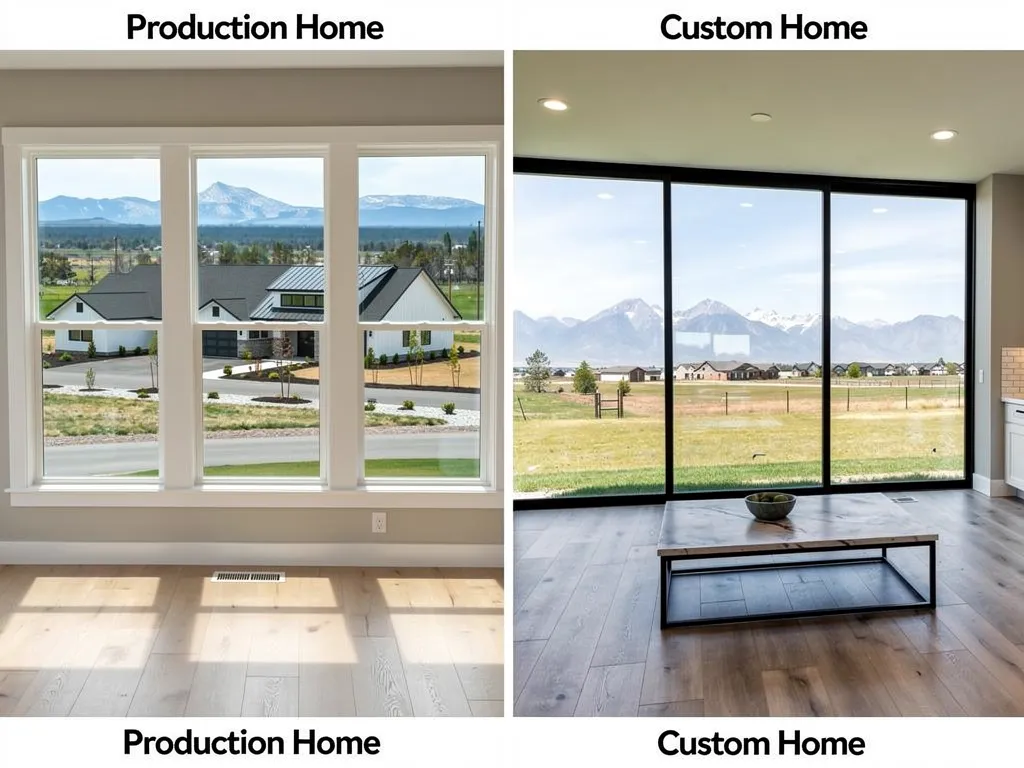
The production home vs. custom home decision usually comes down to control versus convenience:
- Design flexibility: Production homes offer a handful of pre-set floor plans and finish packages. Custom homes are designed from scratch around your needs.
- Land: Production homes are built on lots the builder already owns within a development. Custom homes can be built on land you already own, including rural or non-subdivision lots.
- Timeline predictability: Production builders often have a home move-in ready faster because plans and materials are standardized and pre-ordered.
- Cost structure: Production homes typically have a fixed, published price. Custom home costs are based on your specific plan, lot conditions, and selections, so pricing is more variable but more precisely aligned to what you actually want.
Neither approach is universally “better” — it depends on how much you value personalization versus speed and simplicity.
Tract Home vs. Custom Home
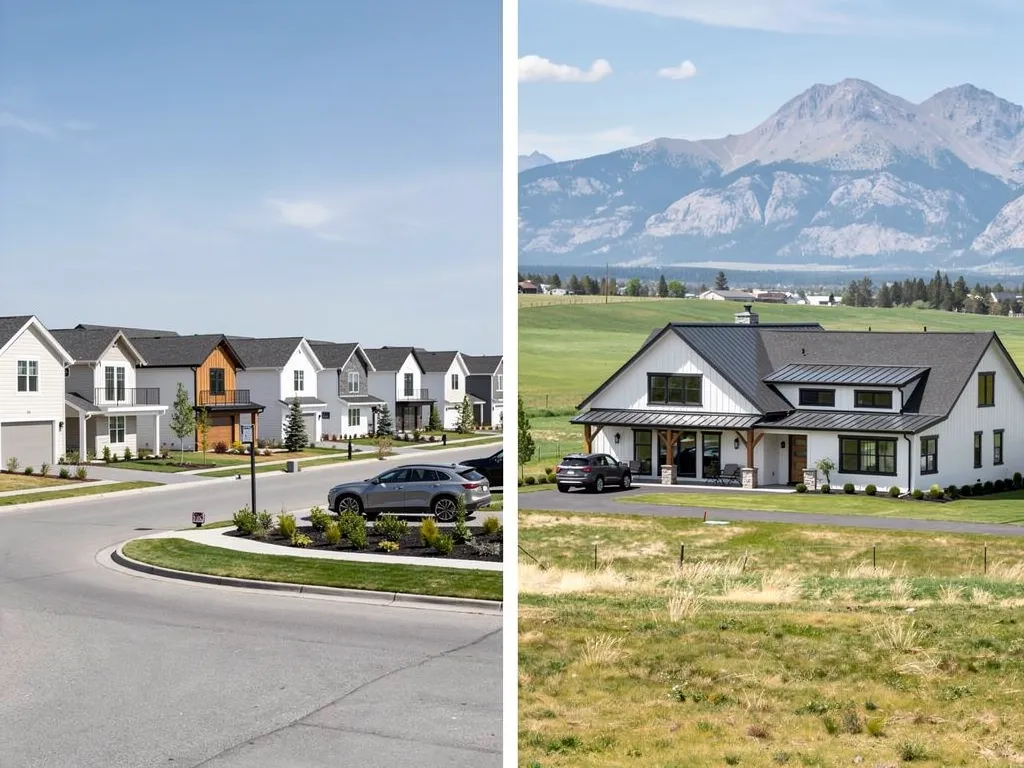
A tract home is a specific type of production home built within a planned subdivision, where every lot uses one of a small number of repeated floor plans. Tract homes are efficient to build because the builder is essentially repeating the same home design many times over, which keeps costs down and timelines short.
A custom home, by contrast, is a one-of-a-kind design built for a single homeowner and, often, a single lot — including land the homeowner already owns outside of a planned development. If you already own property, particularly acreage or a lot with unique topography, a tract home builder typically won’t be a fit, since their business model depends on building within their own subdivisions. This is where working with a builder experienced in building on your own land makes the difference.
The Custom Home Building Process
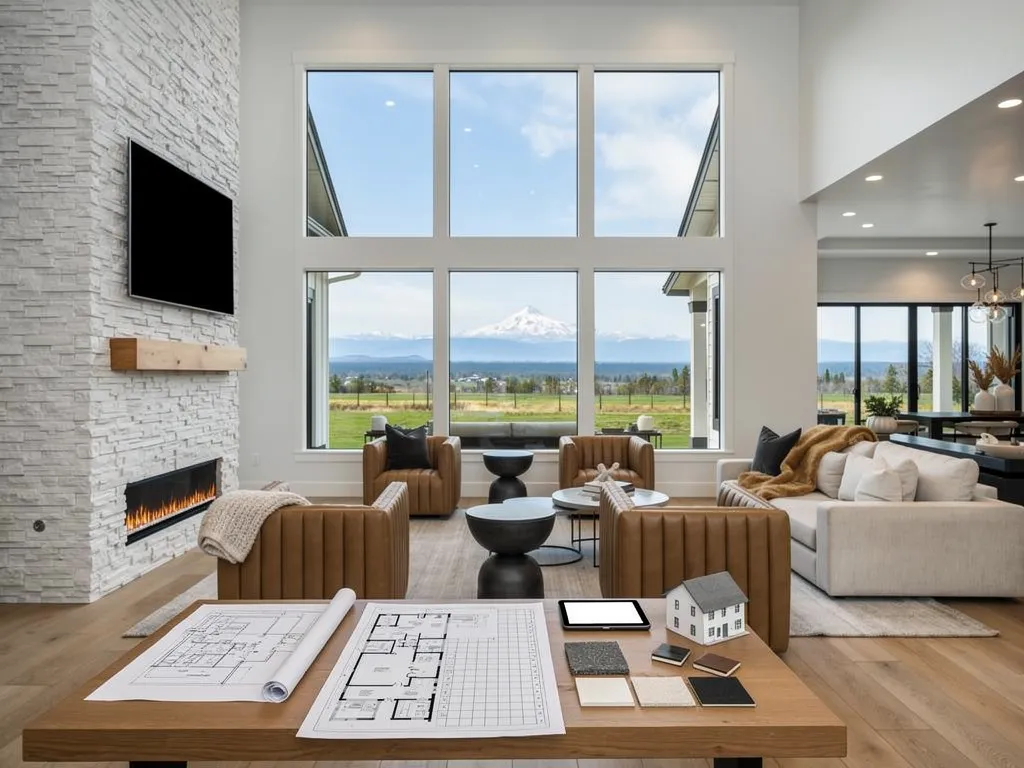
While every builder’s process looks a little different, custom home building generally follows these stages:
- Discovery and budgeting. You meet with the builder to discuss your goals, lifestyle needs, and budget range before any design work begins.
- Land evaluation. Your lot is assessed for buildability, utility access, setbacks, and any site-specific challenges.
- Design and floor plan development. You work with the builder’s design team to select or customize a floor plan that fits your land and preferences.
- Selections and specifications. You choose finishes, fixtures, and materials, and the builder finalizes detailed specifications and a firm construction contract.
- Permitting. The builder submits plans to the local jurisdiction and secures all necessary building permits.
- Construction. Your home is built in stages — site work, foundation, framing, mechanicals, insulation, drywall, and finishes — with regular updates along the way.
- Final walkthrough and move-in. You complete a final inspection with your builder before receiving the keys to your finished home.
Understanding the custom home building process upfront helps set realistic expectations for both timeline and communication throughout the build.
How Much Does a Custom Home Cost?
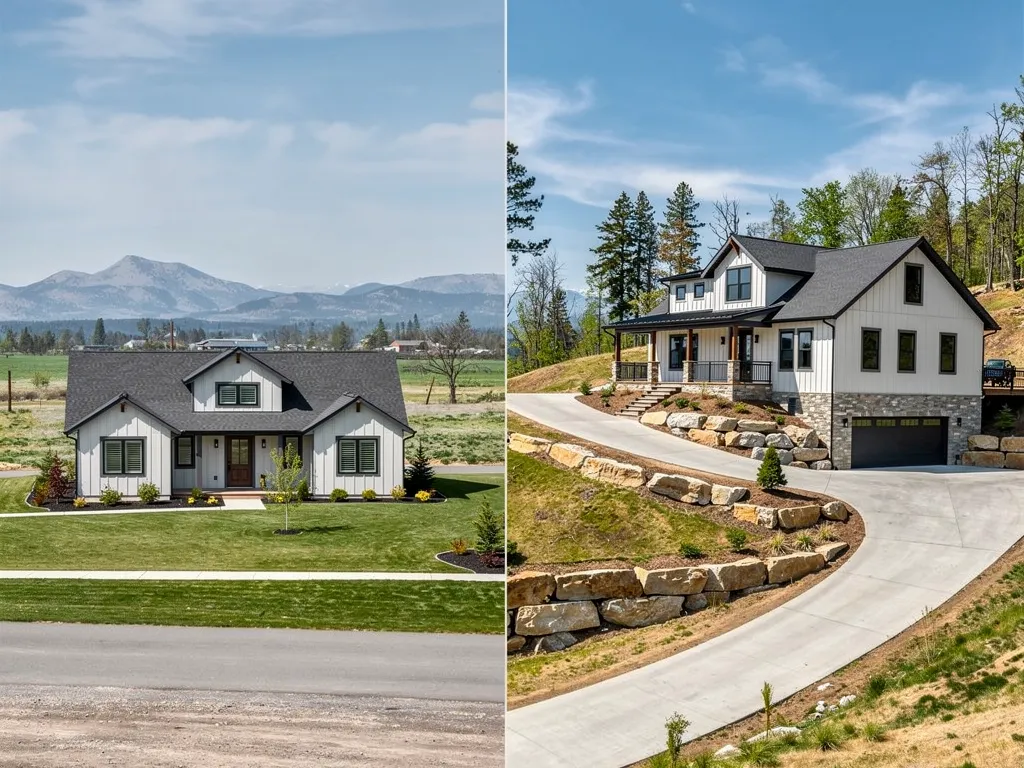
One of the most common questions prospective homeowners ask is how much does a custom home cost. The honest answer is that it depends on your lot, square footage, finish level, and site conditions — a custom home on a flat, utility-ready lot will cost differently than one on a sloped, rural site requiring a well, septic system, or long driveway. Because pricing is based on your specific plan and selections rather than a standardized package, a reputable custom builder should walk you through a detailed cost breakdown before you sign a contract, rather than quoting a single flat number upfront.
While custom homes often carry a higher starting investment than a comparable production home, that cost reflects the level of personalization, land flexibility, and quality control you’re getting — not just the finished square footage.
Semi-Custom Homes: A Middle Ground
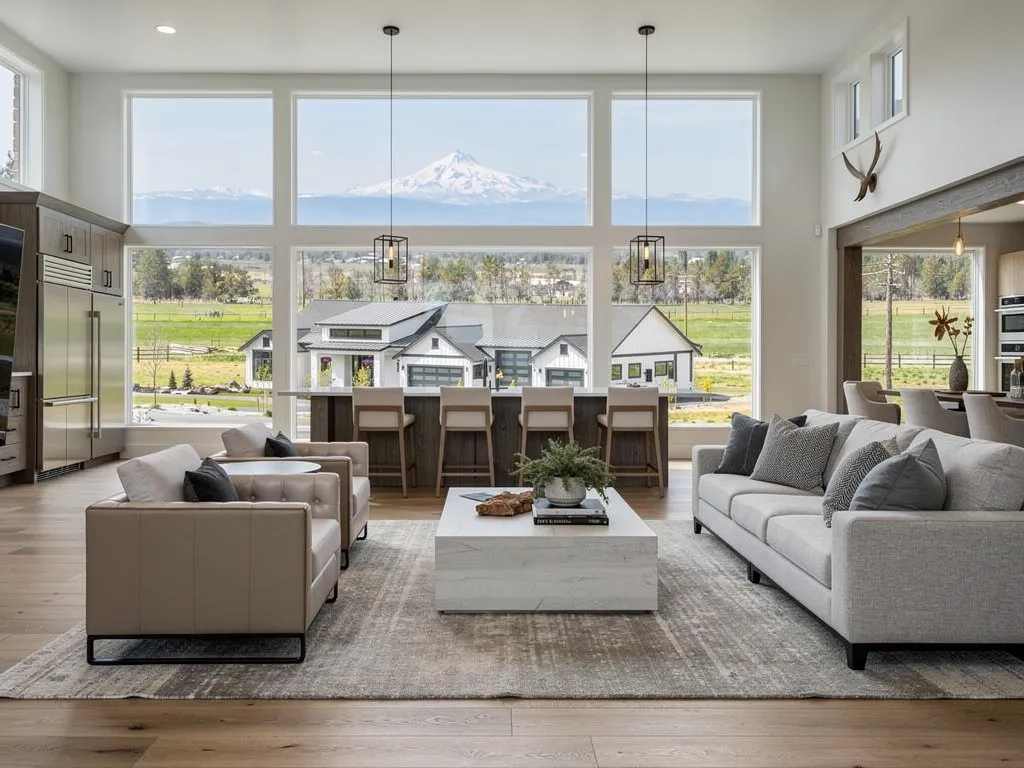
If you want more input than a production home allows but not a fully from-scratch design, a semi-custom home may be the right fit. Semi-custom building typically starts with an existing base floor plan that you can then modify — reconfiguring rooms, adjusting square footage, or upgrading finishes — without designing an entirely new layout. This approach can offer a faster timeline and more predictable costs than a fully custom build, while still giving you meaningful say over how your home looks and functions.
Semi-custom is worth considering if you’ve found a floor plan you love that’s close to what you want, but needs a few adjustments to truly fit your land or lifestyle.
Choosing a Home Builder
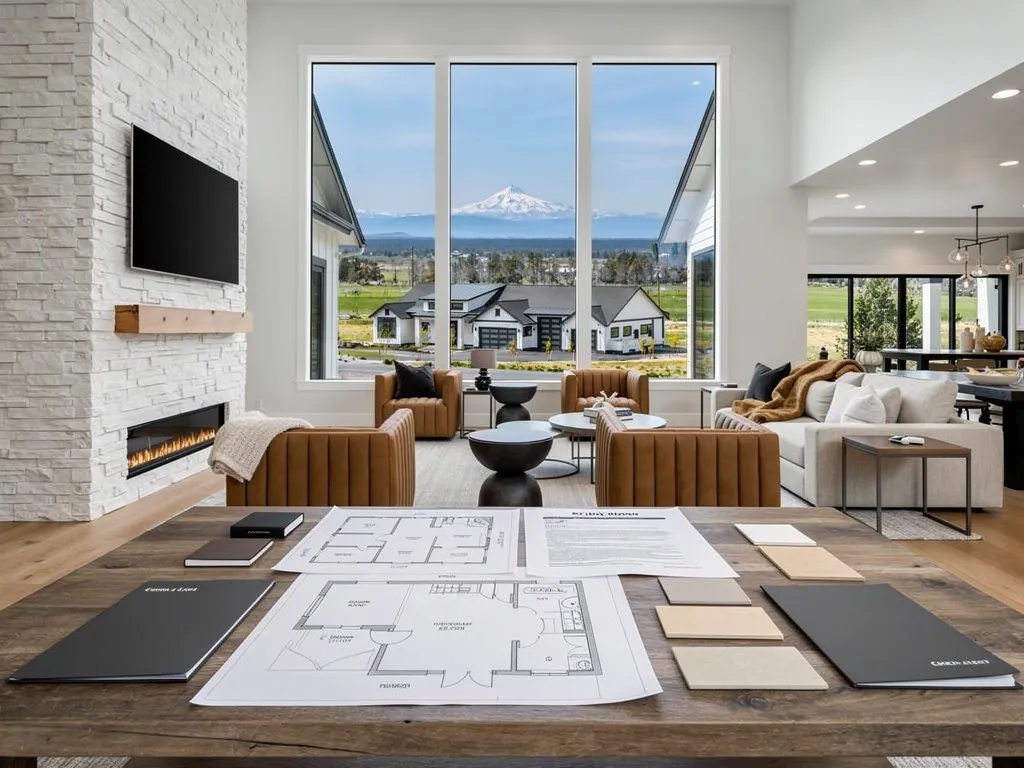
Choosing a home builder is as important as choosing your floor plan. A few questions worth asking as you evaluate builders:
- Does the builder have experience building on land you already own, including challenging or rural lots?
- Can they show a portfolio of completed custom homes, not just production developments?
- How transparent is their process around budgeting, contracts, and change orders?
- Who will be your main point of contact throughout the build, and how often will you receive updates?
- Are their floor plans a true starting point for customization, or are they largely fixed?
A builder who specializes in custom home building on your own land will approach these questions differently than a production builder focused on subdivision efficiency — and that distinction matters most once construction is underway.