Sustainable Luxury: Incorporating Energy-Efficient Home Design in Central Oregon
Sustainable Luxury: Expert Guide to Energy-Efficient Custom Home Design in Central Oregon
In an era where environmental consciousness is paramount, the fusion of luxury and sustainability has never been more pertinent. Sustainable luxury home design emphasizes energy efficiency while offering high-quality living spaces. This comprehensive guide explores the principles of energy-efficient home design specific to Central Oregon, addressing climate considerations, materials, and renewable technologies. Many homeowners seek elegant living that aligns with eco-friendly practices, ultimately leading to substantial long-term savings and environmental benefits. Throughout this article, we will delve into the core principles of energy-efficient design, renewable technologies, necessary certifications, and financing options available to enhance your luxury home that contributes positively to the environment.
What Are the Core Principles of Energy-Efficient Home Design for Central Oregon?
Energy-efficient home design encompasses various strategies that focus on reducing energy consumption without sacrificing comfort. The core principles include optimal use of natural resources, incorporation of sustainable materials, and careful planning of building orientation and layout. In Central Oregon, the local climate significantly influences these design considerations, spotlighting the need for features such as effective insulation and natural lighting.
Understanding the impact of climate on design is crucial for achieving truly sustainable and comfortable homes.
Optimizing Energy Efficiency with Climate-Specific Design
Designing energy efficient and comfortable buildings requires a profound understanding of the building physics specific to the climatezone the building is located in. To illustrate the principles of climate dependent design we conducted a case study of two nearly identical housing units at two different locations, namely, Munich, Germany and Dubai, United Arab Emirates. Optimizing energy efficiency and occupant comfort with climate specific design of the building, HM Künzel, 2012
How Does Central Oregon’s Climate Influence Sustainable Custom Home Features?
Central Oregon experiences a varied climate with dramatic temperature fluctuations. This necessitates specific adaptations in home designs, such as:
- Effective Insulation: Proper insulation materials are essential to minimize heat loss during winter months and maintain cool interiors in summer.
- Natural Lighting: Maximizing natural light through strategically placed windows reduces the reliance on artificial lighting.
- Orientation: Positioning homes to optimize sun exposure can significantly enhance energy efficiency by utilizing passive solar heating.
Understanding these factors allows homeowners to align their designs with the region’s environmental demands.
Which Sustainable Building Materials Support Luxury and Energy Savings?
The choice of materials plays a crucial role in achieving both sustainability and luxury. Sustainable building materials, such as reclaimed wood, bamboo, and high-performance insulation, provide energy-efficient benefits while enhancing aesthetic appeal. Specifically, green building materials contribute to:
- Energy Savings: Using materials that provide better thermal performance reduces heating and cooling costs.
- Luxury Aesthetics: High-quality finishes and sustainable materials can elevate the visual appeal of custom homes.
- Longevity: Durable materials tend to require less maintenance and replacement over time, reducing waste and costs.
Selecting these materials not only supports environmental efforts but also aligns with luxurious living standards.
How Can Renewable Energy Technologies Be Integrated into Luxury Homes?
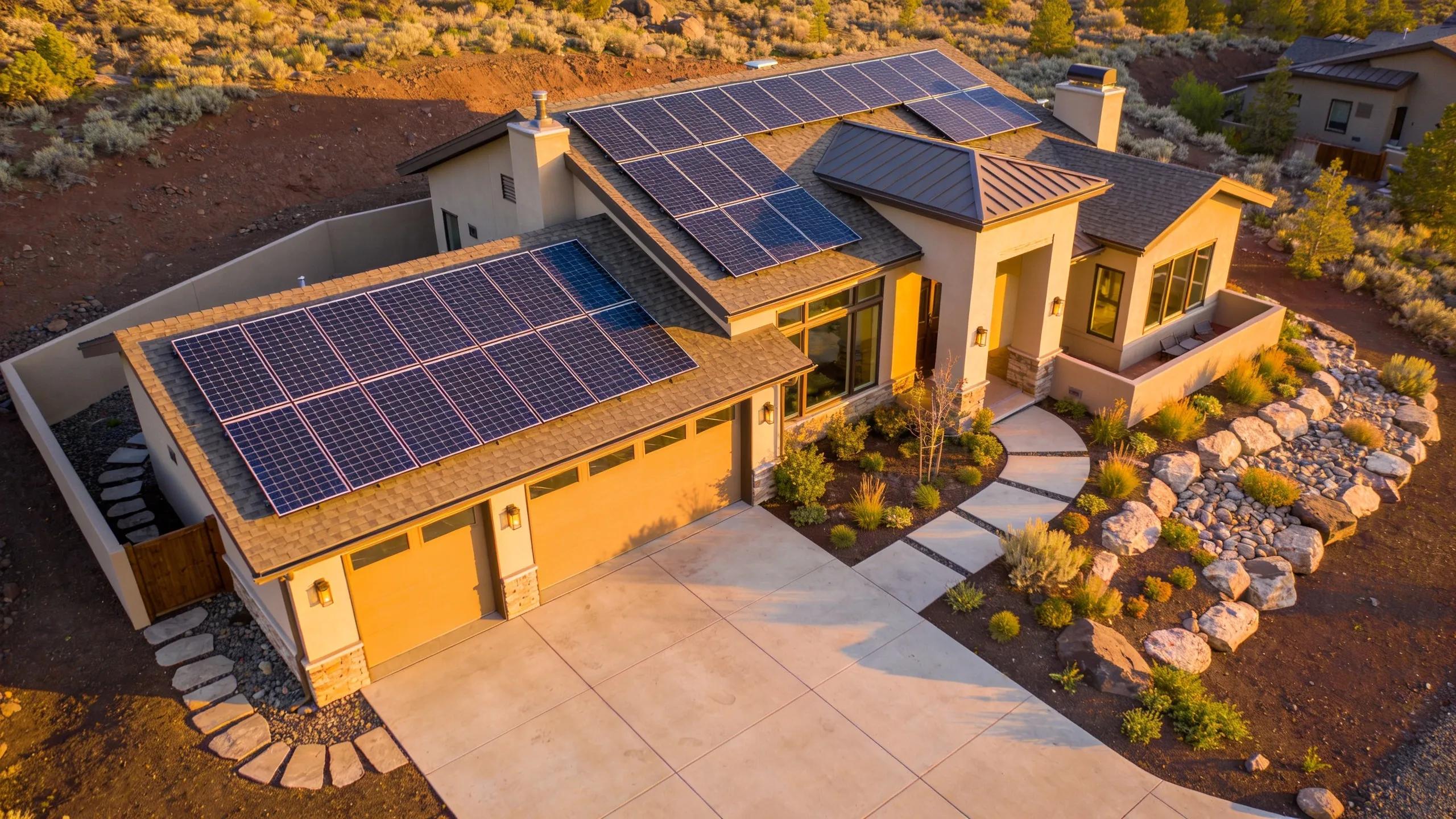
Integrating renewable energy technologies into luxury homes enhances overall efficiency and offers significant environmental benefits. These technologies, including solar panels and geothermal systems, are increasingly important in Central Oregon’s custom home designs. For homeowners looking to implement these advanced solutions, understanding the benefits of solar and geothermal systems is essential. Through installation, these systems not only generate savings on energy but also increase property value and appeal by showcasing eco-friendly features.
A growing body of research delves into how consumers perceive and value the integration of such advanced and sustainable technologies in luxury homes.
Ecoluxury: Consumer Attitudes on Energy-Efficient Luxury Homes
This paper highlights consumer attitudes towards the integration of energy-efficient solutions and technologies, the use of renewable energy sources (RES) and intelligent energy management systems into luxury homes. It outlines the factors that influence purchasing decisions, new technologies in homes, and energy management. The study focuses on consumers interested in or already residing in ecofriendly, luxurious properties, often referred to as ‘ecoluxury’. Exploring Ecoluxury: Consumer Attitudes Towards Energy-Efficient Technologies and Sustainable Living, J Żywiołek, 2025
What Are the Benefits of Solar and Geothermal Systems in Central Oregon Homes?
Harnessing renewable energy sources offers homeowners substantial advantages:
Through installation, these systems not only generate savings on energy but also increase property value and appeal by showcasing eco-friendly features.
How Do Energy-Efficient HVAC and Smart Energy Management Systems Enhance Home Performance?

Modern HVAC systems and smart energy management solutions significantly enhance home energy performance. These systems help in:
- Optimizing Energy Use: Smart thermostats can learn homeowner habits, adjusting temperatures for maximum efficiency.
- Improving Air Quality: Advanced HVAC units filter out allergens and pollutants, contributing to a healthier living environment.
- Cost Savings: Energy-efficient systems typically result in lower utility bills compared to traditional systems.
This integration of technology facilitates a comprehensive approach to sustainable luxury living. Exploring energy-efficient HVAC and smart energy management systems can further optimize consumption.
Understanding how the complete building envelope, from construction to system integration, impacts a home’s energy performance is key to achieving true high-performance design.
High-Performance Home Design: Envelopes, Renewables & Integration
In Part 2 the engineering of a house’s building systems is discussed, as are the energy-free architectural design principles which ensure significant performance gains before systems get installed and commissioned. Indeed, a zero-net homes starts by having a superb enclosure system in place. Building enclosure and HVAC systems are detailed in Part 3 and Part 4. Design and construction of high-performance homes: building envelopes, renewable energies and integrated practice, 2013
Which Certifications Define Sustainable Luxury Homes in Central Oregon?
Certifications help validate the sustainability of luxury homes and clarify the standards that builders must meet. Identifying the pertinent certifications helps ensure that homes meet specific energy efficiency requirements.
What Are the LEED and Energy Star Standards for Custom Home Building?
The Leadership in Energy and Environmental Design (LEED) and Energy Star certifications are widely recognized as benchmarks for sustainable building practices. These certifications emphasize:
- Energy Efficiency: Each considers how homes use energy, promoting low-emission, high-efficiency solutions.
- Sustainability Practices: LEED involves a comprehensive approach – from site selection to material sourcing to waste management.
These certifications not only facilitate better building processes but also enhance marketability and ultimately increase a home’s resale value.
How Do Certifications Impact Home Value and Energy Savings?
Homes that possess certifications like LEED and Energy Star experience the following advantages:
- Higher Resale Value: Certified homes often sell for more due to their energy-saving features and sustainable practices.
- Long-Term Cost Savings: Lower energy consumption leads to reduced utility expenses, offsetting initial investment costs.
- Consumer Demand: Increasingly, buyers prioritize sustainability, making certified homes more attractive in the market.
Investing in certified energy-efficient homes ensures a smart financial choice alongside environmental responsibility. Understanding the impact of these certifications on home value and energy savings is crucial for prospective buyers and builders.
What Is the Custom Home Design Process for Incorporating Energy Efficiency and Luxury?
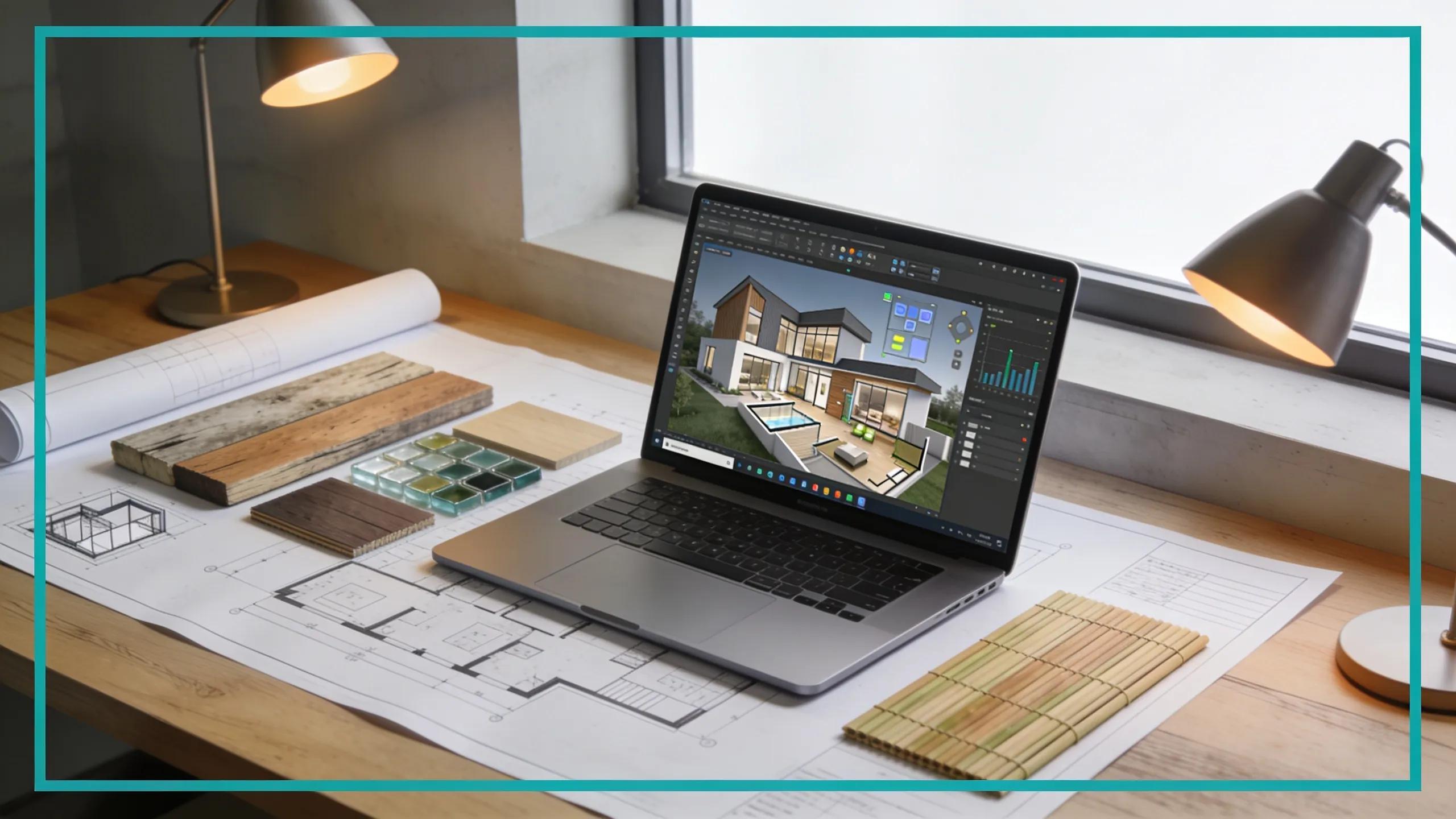
The custom home design process plays a pivotal role in achieving a balance between luxury and sustainability. This process encompasses various stages, from initial consultations to construction and renovation oversight.
How Does Personalized Design Consultation Ensure Sustainable Outcomes?
Personalized design consultations are essential in tailoring projects to meet clients’ energy efficiency and luxury goals. Key benefits include:
- Customized Solutions: Home designers can recommend specific strategies based on the client’s lifestyle and preferences.
- Energy Goals: Setting clear energy efficiency targets during consultations leads to more effective design outcomes.
- Client Engagement: Involving clients in the decision-making process ensures that their needs and values are reflected in the final design.
This collaboration fosters superior results, aligning with sustainable practices while fulfilling luxury expectations.
What Steps Are Involved in Energy-Efficient Custom Home Construction and Renovation?
The process of constructing or renovating an energy-efficient custom home involves several critical phases, including:
- Initial Consultation: Discussing goals and preferences to outline project scope.
- Design Development: Crafting the architectural design to incorporate energy-efficient features.
- Material Selection: Choosing sustainable materials that reflect luxury and energy efficiency.
- Execution: Ensuring proper implementation of designs and technologies during the construction phase.
These steps ensure a holistic approach to energy efficiency and luxury integration.
What Are the Cost Considerations and Long-Term Benefits of Sustainable Luxury Homes?
When considering energy-efficient luxury homes, examining cost factors alongside potential long-term benefits is vital. Upfront expenses can be balanced against future savings and increased home value. Exploring cost considerations and long-term benefits helps homeowners make informed decisions.
How Do Energy Savings Offset Initial Investment in Green Home Features?
Homeowners investing in energy-efficient features see returns manifested in reduced utility costs. The cumulative savings can often offset initial investments within a few years.
- Break-even Analysis: Homeowners can expect to break even on their investments generally within 5-10 years due to lower energy costs.
- Home Value Appreciation: Properties with energy-efficient features tend to appreciate faster in value than conventional homes.
Understanding these financial dynamics can encourage homeowners to embrace sustainable practices while securing their financial future.
What Financing and Incentive Options Support Energy-Efficient Homebuilding in Oregon?
Various financing options and incentives are available to support energy-efficient homebuilding, including:
- State Programs: Oregon offers incentives for energy-efficient home upgrades through various state and local programs.
- Tax Credits: Homeowners may qualify for federal or state tax credits when installing renewable energy systems.
- Green Mortgages: Special financing options allow borrowers to obtain loans that factor in energy-saving improvements.
Utilizing these resources not only makes energy-efficient luxury living attainable but also maximally beneficial from a financial perspective.
How Can Homeowners Continuously Optimize Energy Efficiency After Construction?
After construction, maintaining and enhancing energy efficiency remains crucial for long-term sustainability. Homeowners can employ various strategies to ensure their homes continue to operate optimally.
What Custom Renovation Services Upgrade Existing Homes for Better Energy Performance?
Homeowners seeking to enhance their existing homes can consider various renovation services. These options may include:
- Energy Audits: Conducting energy audits helps identify areas for improvement in energy efficiency.
- Upgrading Insulation: Improving insulation can greatly reduce energy waste and lower utility costs.
- Smart Home Upgrades: Integrating smart home technologies can optimize energy management and usage.
This proactive approach ensures that even established homes can thrive in energy efficiency and luxury.