

What to Expect During Your Custom Home Building Journey
Building a custom home from scratch is one of the most rewarding investments a homeowner can make, but it’s also one of the most involved. Understanding the custom home building process before you break ground helps you plan realistically, communicate clearly with your builder, and enjoy the experience instead of feeling overwhelmed by it. This guide walks through the stages of building a custom home, what to expect at each point in the custom home timeline, and how a structured custom home builder process keeps your project on track from first conversation to final walkthrough.
Stage 1: Discovery and Land Evaluation
Every custom home building journey starts with a conversation. Your builder will want to understand your lifestyle, must-have features, and long-term goals for the property before any design work begins. If you already own land, this stage includes a site evaluation to assess topography, soil conditions, access, utilities, and any zoning or setback requirements that could shape the design. If you haven’t secured land yet, an experienced builder can help you evaluate potential sites so the home you’re planning will actually work on the lot you choose. This groundwork prevents costly surprises later and sets a realistic foundation for everything that follows.
Stage 2: Design and Floor Plan Selection
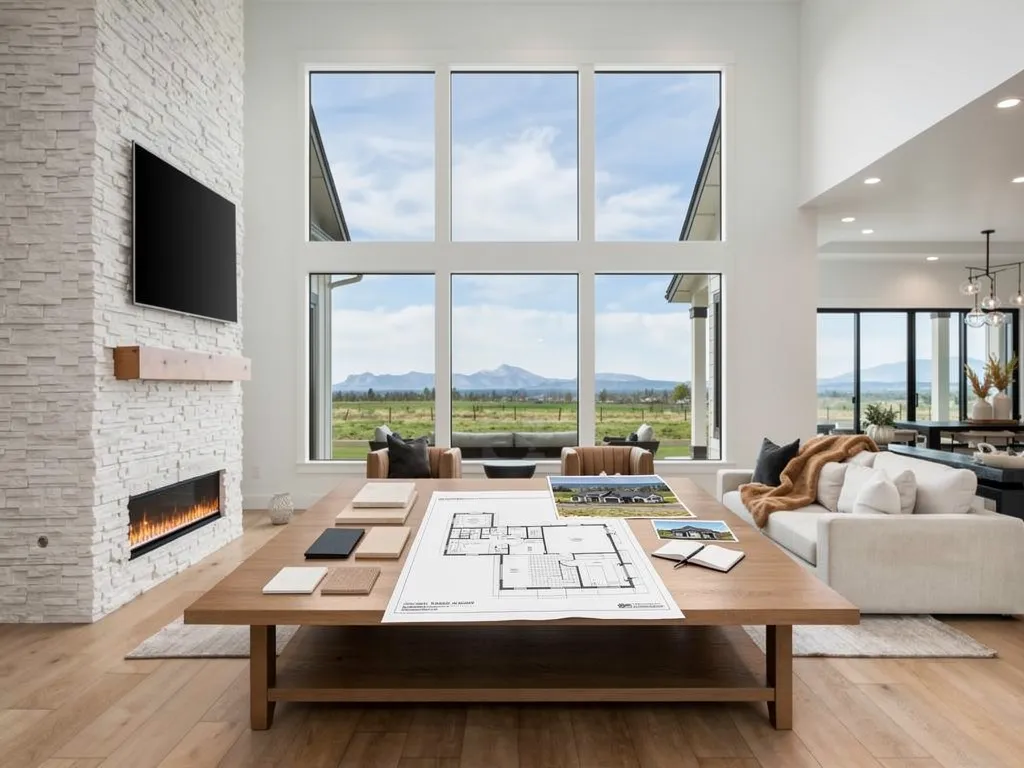
With the site understood, design begins. Many homeowners start from an award-winning floor plan and customize it, while others prefer a fully custom design built around their specific vision. Either path typically includes several rounds of revisions covering layout, square footage, room flow, and exterior style. This is where the custom home building process becomes tangible — you’ll see how your ideas translate into elevations, floor plans, and material selections. Expect open, two-way communication here; the more input you provide early, the fewer changes are needed once construction begins.
Stage 3: Budgeting, Estimating, and Financing
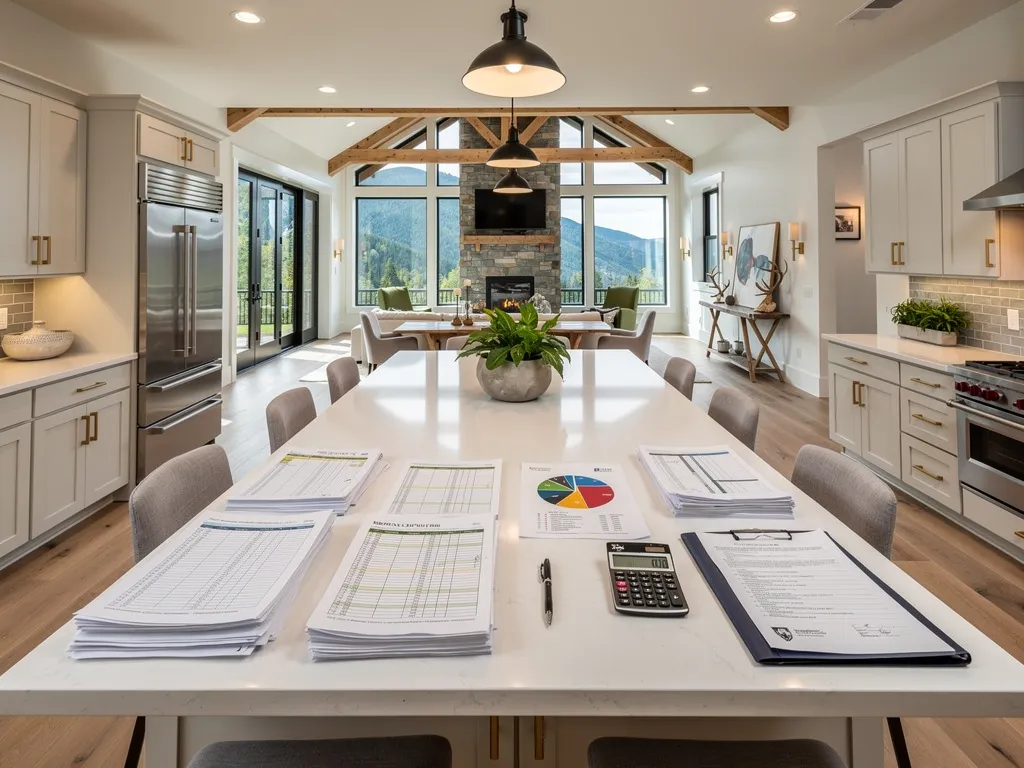
Once the design is set, your builder prepares a detailed cost estimate covering materials, labor, permits, and site work. A transparent, itemized budget is one of the most important parts of any custom home builder process, since it gives you a clear picture of where your money is going and where there’s flexibility for upgrades or savings. This stage often overlaps with securing construction financing, so your builder should be able to work alongside your lender to keep paperwork and draw schedules aligned with the construction timeline.
Stage 4: Permitting and Pre-Construction Preparation
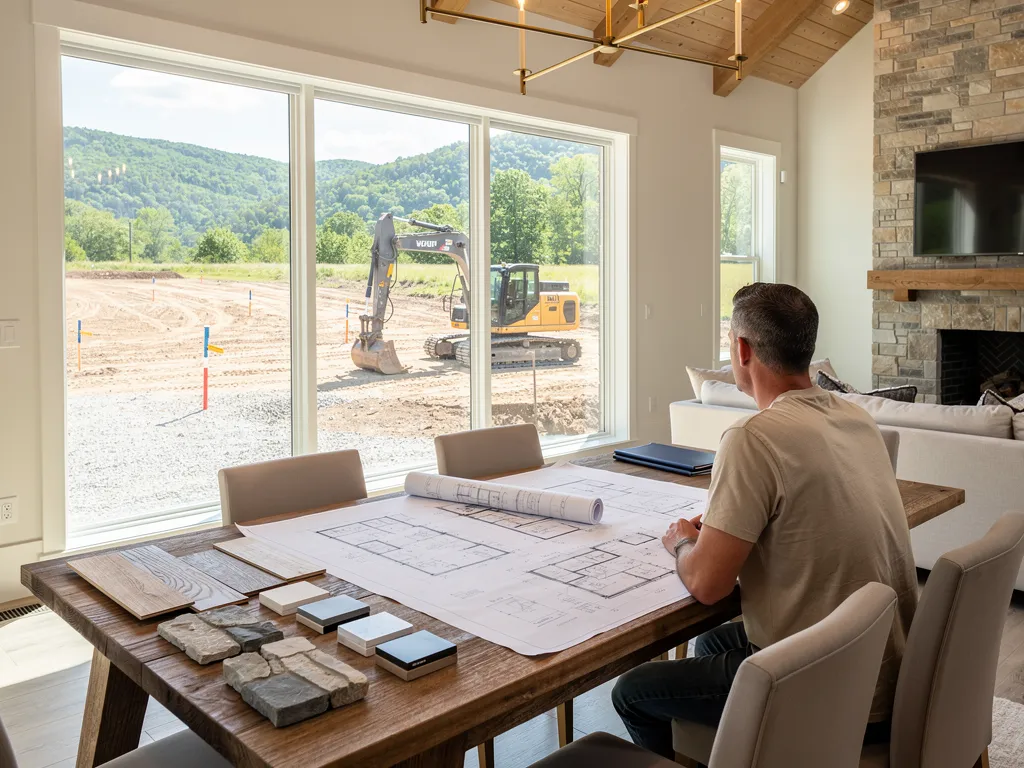
Before any digging starts, your builder submits engineered plans to the local jurisdiction for permitting. Timelines vary by county and project complexity, so this stage requires patience — but it’s also where a builder’s local experience really pays off, since they know how to navigate the process efficiently and avoid unnecessary delays. While permits are in review, pre-construction work such as finalizing selections, ordering long-lead-time materials, and preparing the site for excavation typically gets underway.
Stage 5: Construction Steps From Foundation to Framing
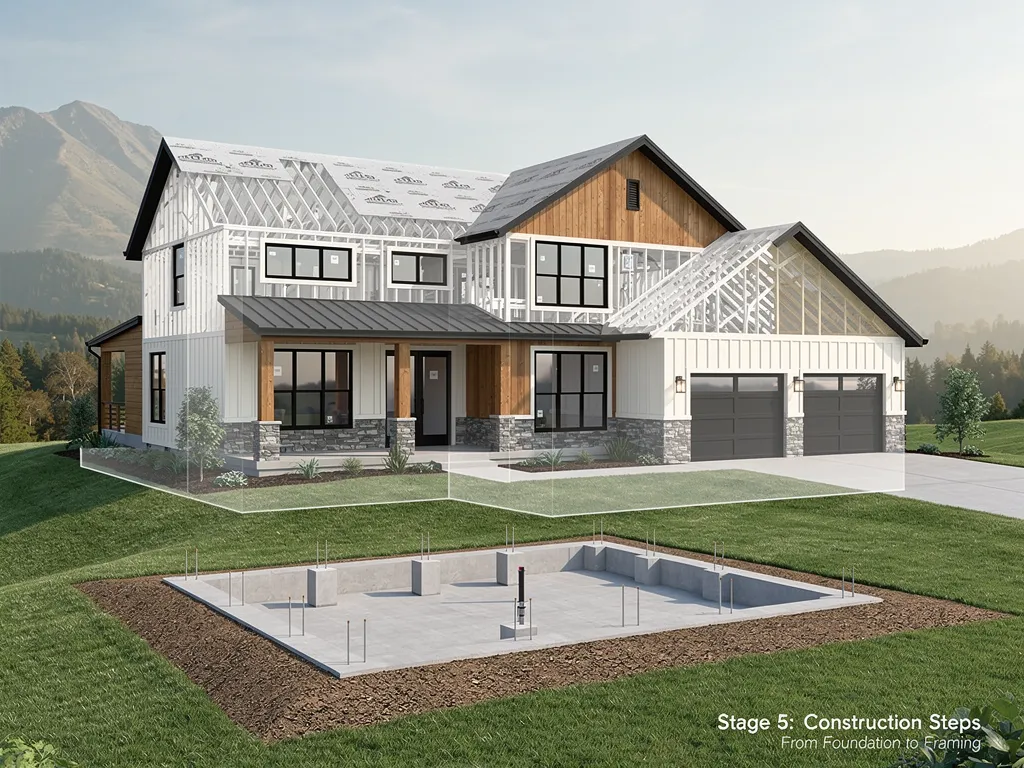
This is the phase most people picture when they think about building a custom home: the site comes to life. Construction steps generally follow this order:
- Site work and excavation — clearing, grading, and preparing the building pad
- Foundation — pouring footings and the foundation system
- Framing — erecting the structural skeleton of the home, including walls, floors, and roof trusses
- Roofing and exterior dry-in — enclosing the structure to protect it from the elements
- Rough-in of mechanical, electrical, and plumbing systems — installed before walls are closed up
Regular site visits and progress updates during this stage help you see the home take shape and give you the chance to ask questions before drywall goes up.
Stage 6: Interior Finishes and Systems Installation
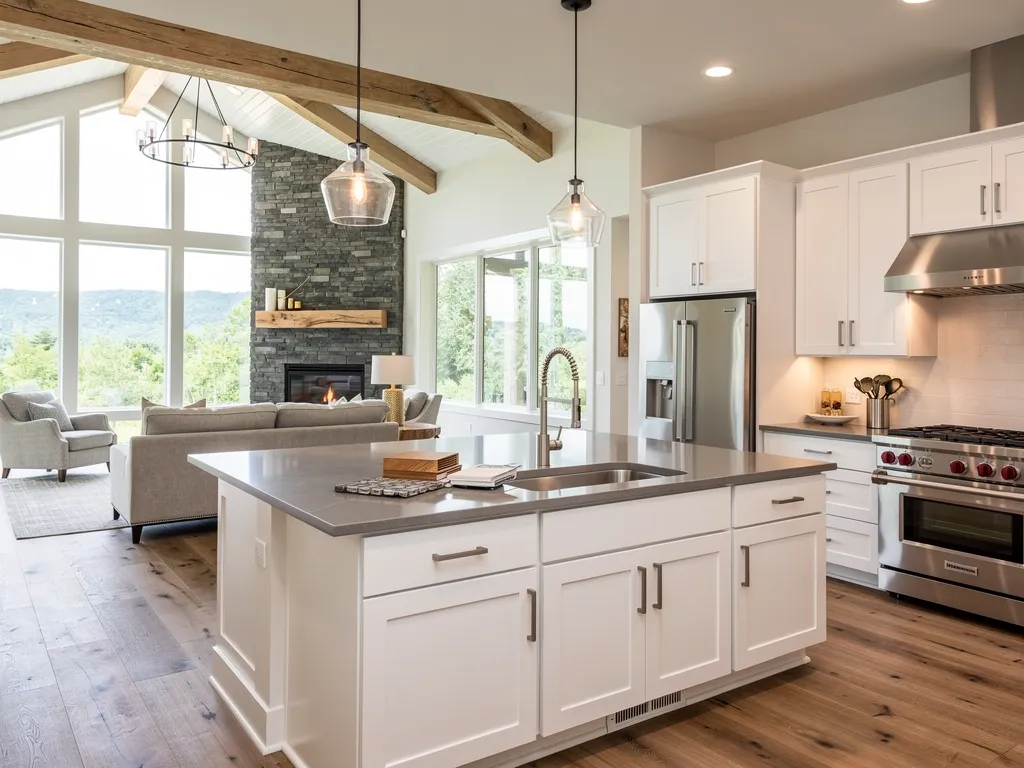
With the structure enclosed and rough-ins inspected, attention turns to insulation, drywall, and the finishes that make a house feel like your home — flooring, cabinetry, countertops, trim, paint, fixtures, and appliances. This is often the most visually rewarding stage of the custom home building journey, as the selections made earlier in the design process finally come together. Your builder should keep you informed of the schedule for finish installations, since some decisions (like final paint colors or hardware) are typically confirmed during this window.
Stage 7: Final Walkthrough and Move-In
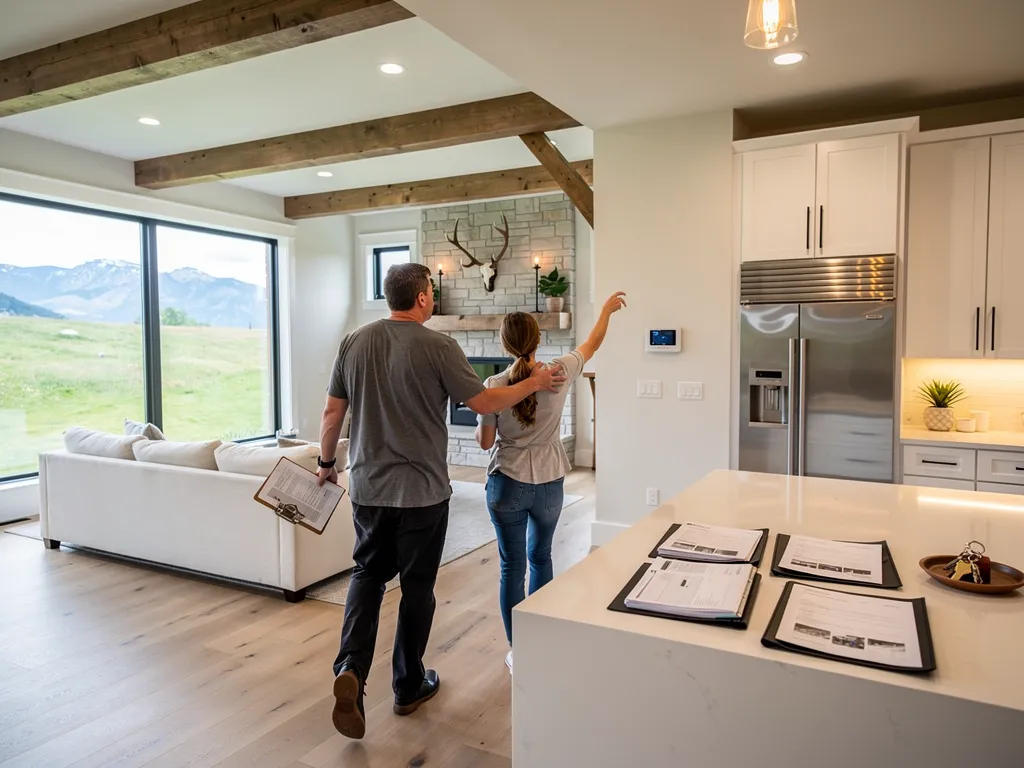
Before handing over the keys, your builder conducts a thorough quality inspection and walks the home with you to review every detail. This final walkthrough is your opportunity to ask questions, test systems, and confirm that everything meets the agreed-upon specifications. Any punch-list items are addressed before closing, and you should receive documentation on warranties, systems, and maintenance so you feel confident settling into your new home.
Custom Home Timeline: What to Expect Along the Way
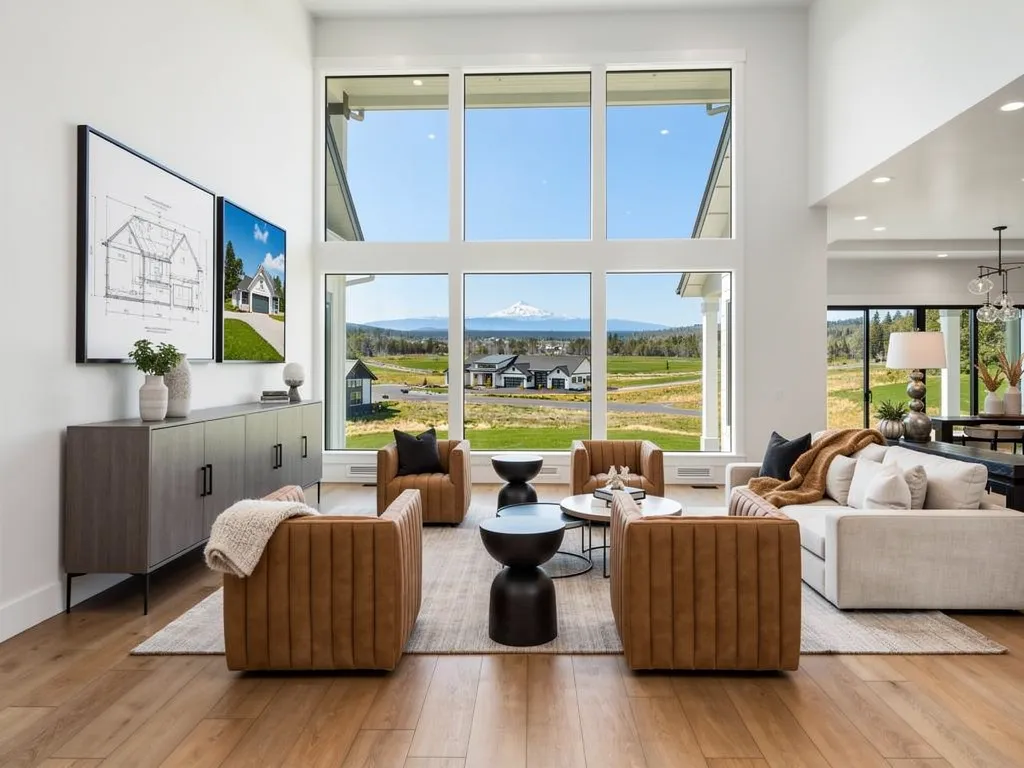
While every project is different depending on size, site conditions, and design complexity, most custom home timelines follow a similar rhythm: design and planning typically take the longest to finalize, permitting adds a variable waiting period based on your jurisdiction, and physical construction — from groundbreaking to move-in — generally spans several months to just over a year. A reliable builder will provide a realistic project schedule up front and keep you updated if conditions shift, so you always know where your build stands.
What’s Expected of You During the Process
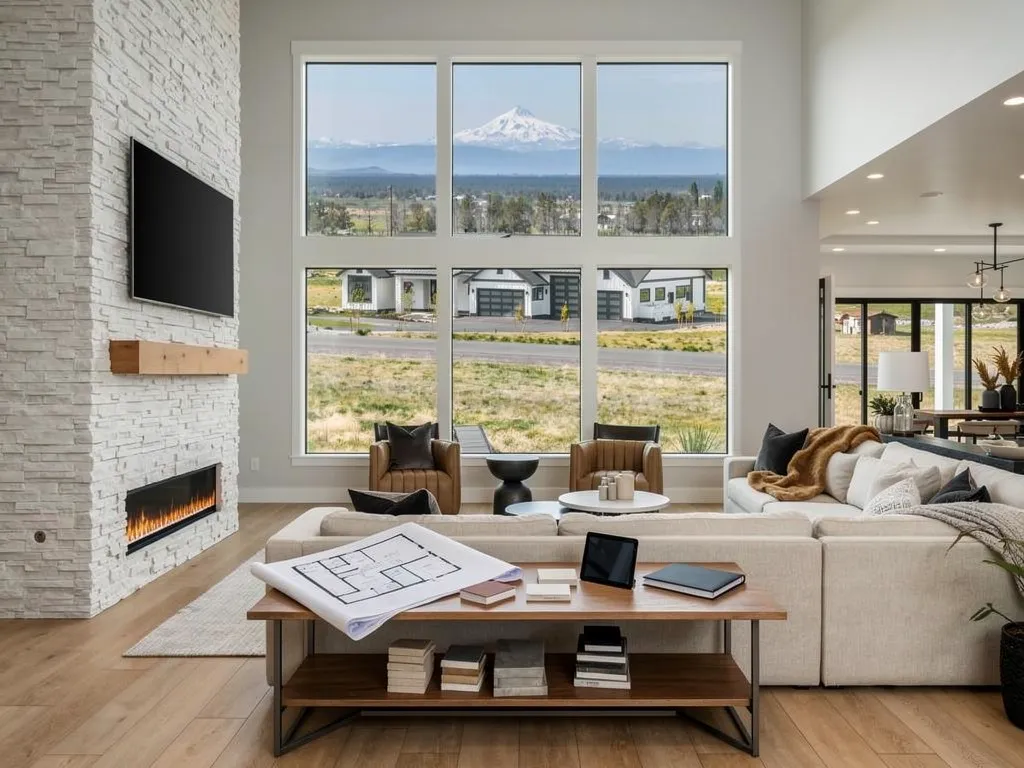
A smooth custom home building process is a partnership. Along the way, you can expect to:
- Communicate your priorities clearly during design meetings
- Make timely decisions on selections to avoid delaying the schedule
- Review and approve budgets, change orders, and draw requests promptly
- Ask questions whenever something is unclear — a good builder welcomes them
- Visit the site periodically to see progress firsthand
Staying engaged and responsive keeps your project moving efficiently and helps your builder deliver the home you envisioned, on the timeline you agreed to.